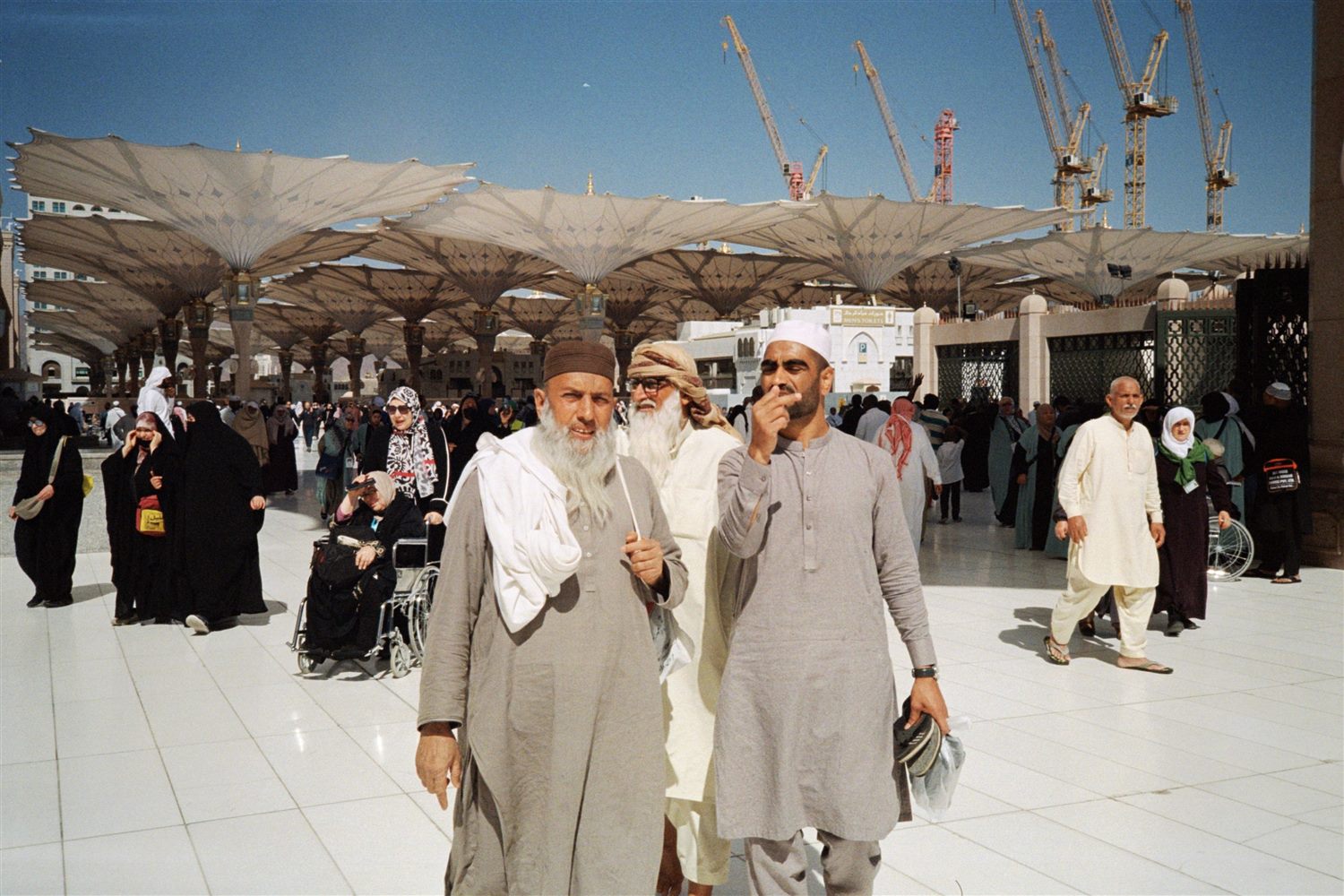
Umrah can be performed at any time of year - but the experience changes a lot by season. Here is a month-by-month look at what UK pilgrims can expect, with notes on prices, weather and crowd levels.
The two seasons of Umrah
Saudi Arabia broadly has a hot season (May–September) and a cooler season (October–April). Pilgrim volumes mirror this: spring and autumn are busiest, summer is quietest.
Month by month
October – November
The sweet spot for many UK pilgrims. Temperatures in the high 20s to mid 30s, manageable crowds, prices easing off summer peaks. School half-term in October is the only busy window.
December – early February
Cool and comfortable (15–25°C), pleasant for walking and tawaf. December school holidays push prices up; January is often the cheapest month of the year.
Late February – early March
Prices rise in the run-up to Ramadan as pilgrims time arrival for the start of the blessed month. Book early.
Ramadan
The most spiritually rewarding window - but also the most expensive and the most crowded. The last ten nights are unforgettable; expect long waits at the Haram. Book 4–6 months ahead.
Eid through May
Prices ease after Eid. By May the weather is heating up but the haram is quieter post-Ramadan - a value window for flexible travellers.
June – September
Hottest period (40°C+). The Haram is air-conditioned and many areas are shaded, but walks outside in midday can be brutal. Cheapest prices of the year, though late summer can be uncomfortably hot.
How to choose
- Want the cheapest? January and June–July
- Want the most spiritually rich? Last ten nights of Ramadan
- Want balance of weather, price and crowds? November or February
- Travelling with elderly relatives? Avoid June–August heat
Related questions
When is the cheapest week to perform Umrah from the UK?+
Mid-to-late January and late June are typically the cheapest weeks of the year, often £200–£400 below peak rates.